Complex PTSD vs PTSD: Key Differences Explained
PTSD and Complex PTSD share roots, but they show up differently. Here is what sets them apart — and why the distinction matters for recovery.
Part of our guide to what PTSD is, its symptoms and causes.
Two conditions, one family
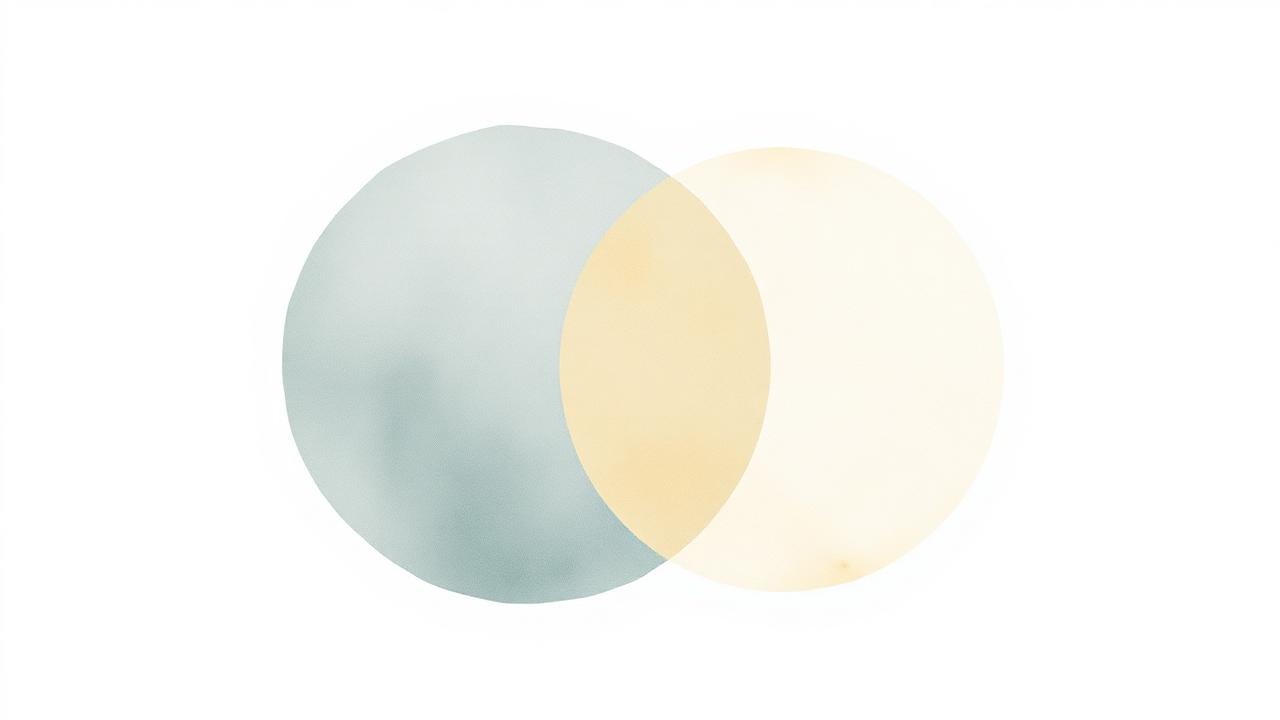
PTSD and Complex PTSD (CPTSD) are related but distinct. Both grow out of overwhelming experience. Where they differ is in the shape of the trauma and the shape of the healing that helps.
PTSD in short
PTSD typically follows a single event, or a small number of clearly bounded events. The nervous system stays alert to a specific threat and keeps replaying it. Core symptoms include flashbacks, avoidance, hyperarousal, and negative shifts in mood.
CPTSD in short
CPTSD develops after prolonged or repeated trauma from which escape was difficult or impossible — childhood abuse, coercive relationships, captivity, chronic neglect. It carries the four PTSD clusters plus what clinicians call disturbances in self-organisation:
- Difficulties with emotion regulation — feelings that flood in, or shut down entirely
- Negative self-concept — deep-rooted shame, worthlessness, or "there is something wrong with me"
- Interpersonal difficulties — struggling to trust, to be close, or to leave relationships that hurt
Why the distinction matters
Treating CPTSD as if it were only PTSD can leave the shame, the relational wounds, and the sense of a "broken self" untouched. Recovery from CPTSD usually needs more time, more focus on safety and stabilisation before processing memories, and more attention to the here-and-now of relationships.
What overlaps
- Flashbacks (emotional, sensory, or full re-experiencing)
- Hyperarousal and sleep disturbance
- Avoidance of reminders
- The exhausting sense of never quite feeling safe
What tends to be different in CPTSD
- Shame is often the loudest feeling, not fear
- Symptoms may be woven into personality and daily identity
- Relationships — with self and others — carry most of the weight
A gentle reminder
Neither label defines you. Diagnostic terms are maps, not verdicts. Whichever fits you best, the path forward is the same in spirit: safety first, connection second, processing third — at whatever pace your system can hold.
Practices that go with this article
These guided practices are part of Recovery Trauma™ membership. They were chosen to match what you have just been reading.
Ready to put what you've learned into practice?
Recovery Trauma™ gives you access to guided exercises, grounding and nervous-system practices, journals, healing journeys, assessments and other recovery resources — all in one place.
Join Recovery Trauma™Already a member? Sign in to go straight there.
Sources & further reading
- Complex PTSD — NHS
- Post-traumatic stress disorder (guideline NG116) — NICE
- Post-traumatic stress disorder — fact sheet — World Health Organization
- Post-Traumatic Stress Disorder — National Institute of Mental Health (NIMH)
These sources are for general education. Recovery Trauma™ does not diagnose or treat — please speak to a qualified professional about your own situation.
Cite this article: Recovery Trauma™ (2026). “Complex PTSD vs PTSD: Key Differences Explained.” Recovery Trauma™. https://recoverytrauma.com/blog/cptsd-vs-ptsd
Keep going with Recovery Trauma™
Wellbeing is not something you do alone. Here's what's next.
Keep reading
Related articles
CPTSD
Using EFT for Emotional Flashbacks
A flashback is not the moment for a full protocol. A shortened, grounding-first version of tapping that works when you are already inside one.
CPTSD
Can You Fully Recover from CPTSD?
An honest, evidence-informed answer to the question survivors most want an answer to — and what recovery actually looks like day to day.
CPTSD
Emotional Flashbacks: What They Are and How to Manage Them
A survivor-led guide to emotional flashbacks — what they are, how they differ from PTSD flashbacks, and practical grounding tools that actually help.